How to Make Shrimp Scampi From Scratch (5 Fresh Tips for 2026)
Last Tuesday, I stood over my stove, spoon in hand, watching what should have been a glossy, garlicky shrimp scampi turn into a puddle of watery, separated butter. The shrimp were tight little commas of rubber, and the sauce refused to cling to the linguine. I’d made the dish a hundred times, but that night, I’d skipped one small step—drying the shrimp—and the whole thing collapsed. It was the push I needed to stop coasting on muscle memory and actually rethink the recipe from the ground up. This isn’t a reinvention of a classic; it’s a sharper, smarter version that respects the original while fixing the tiny cracks where it usually breaks. If you want to know how to make shrimp scampi from scratch in a way that feels effortless but tastes like you’ve been practicing for years, these five fresh tips are where you start.
Why This Classic Shrimp Scampi Deserves a 2026 Makeover
Shrimp scampi has always been the weeknight hero: fast, luxurious, and built from pantry staples. But the version most of us grew up with—drowning in butter, blasted with raw garlic, and finished with a sad squeeze of bottled lemon juice—is starting to show its age. In 2026, we have access to better frozen shrimp, smarter umami boosters, and a deeper understanding of why a simple emulsion can make or break the dish. This isn’t about chasing trends. It’s about stripping away the little habits that dull the flavor and replacing them with techniques that take no extra time but deliver a silkier sauce, sweeter shrimp, and a brightness that actually lingers. I’ve tested these five tips across a dozen batches in my own kitchen, and the difference between the old way and this one is the difference between a dish you eat and one you lean over the counter to finish straight from the pan.
The core promise of shrimp scampi is simplicity: shrimp, garlic, butter, wine, pasta. But simplicity is unforgiving. Every ingredient has to pull its weight, and every step has to build toward that moment when the sauce just barely coats the back of a spoon. The 2026 makeover isn’t about adding more—it’s about knowing when to stop, when to swap, and when to trust your senses over the timer. The following tips aren’t hacks. They’re honest upgrades that honor the dish’s Italian-American roots while giving you a reason to make it again next week.
The 5 Essential Fresh Tips for Perfect Shrimp Scampi From Scratch
I’ve condensed the biggest lessons from my own trial and error into five concrete shifts. Each one addresses a specific failure point—watery sauce, rubbery shrimp, flat flavor—and gives you a repeatable fix. You don’t need special equipment or hard-to-find ingredients. You just need to pay attention to the details that matter.
Tip #1: Choose the Right Shrimp (Fresh vs. Frozen, and Why Size Matters)
Unless you live on a coast and have a fishmonger you trust deeply, buy frozen shrimp. I say this after years of buying “fresh” shrimp from supermarket counters that were simply thawed from frozen and marked up. Individually quick-frozen (IQF) shrimp are flash-frozen right after harvest, locking in sweetness and texture. For this dish, I reach for large shrimp labeled 21/25 count per pound—they’re big enough to stay juicy during the sear but small enough to twirl onto a fork with pasta. Avoid extra-jumbo sizes here; they take longer to cook through and throw off the balance of the bite. When you thaw them, do it in a bowl of cold water for about 15 minutes, then pat them completely dry with paper towels. This is non-negotiable. Any surface moisture hits the hot butter and instantly drops the pan temperature, steaming your shrimp instead of searing them. I learned this the hard way with that watery Tuesday-night disaster.
Tip #2: Master the Garlic-Butter-Wine Emulsion (No Cream, No Shortcuts)
A proper shrimp scampi sauce is not a pool of melted butter with garlic floating in it. It’s a silky, cohesive emulsion where the butterfat, wine reduction, and shrimp juices cling together in a thin, glossy coat. The trick is to build it in stages. Start by sautéing sliced garlic—not minced, which burns too fast—in a mix of butter and olive oil over medium-low heat until it’s fragrant and just starting to turn golden at the edges. Then add a splash of dry white wine, something you’d actually drink, like Sauvignon Blanc or Pinot Grigio, and let it reduce by half. This concentrates the acidity and boils off the raw alcohol. Now, off the heat, swirl in cold butter, one tablespoon at a time, shaking the pan constantly. The cold butter emulsifies into the wine reduction instead of separating. I used to just dump all the butter in at once and wonder why my sauce was greasy. This gradual, off-heat method fixes that completely.
Tip #3: Don’t Overcook the Shrimp (The 90-Second Rule)
Shrimp cook terrifyingly fast. I use what I call the 90-second rule: once the shrimp hit a hot pan, I sear them for exactly 60 to 90 seconds per side, depending on their size. For 21/25 count shrimp, 75 seconds on the first side, then a quick flip for 45 seconds on the second, gets them to that perfect loose “C” shape. If they start curling into tight “O”s, you’ve gone too far—the proteins have squeezed out too much moisture and turned tough. I pull them from the pan with a slotted spoon and set them aside before building the sauce, then toss them back in right at the end just to warm through. This keeps them from continuing to cook in the residual heat while you finish the sauce.
Tip #4: Boost Umami With Anchovy Paste or Miso (2026 Twist)
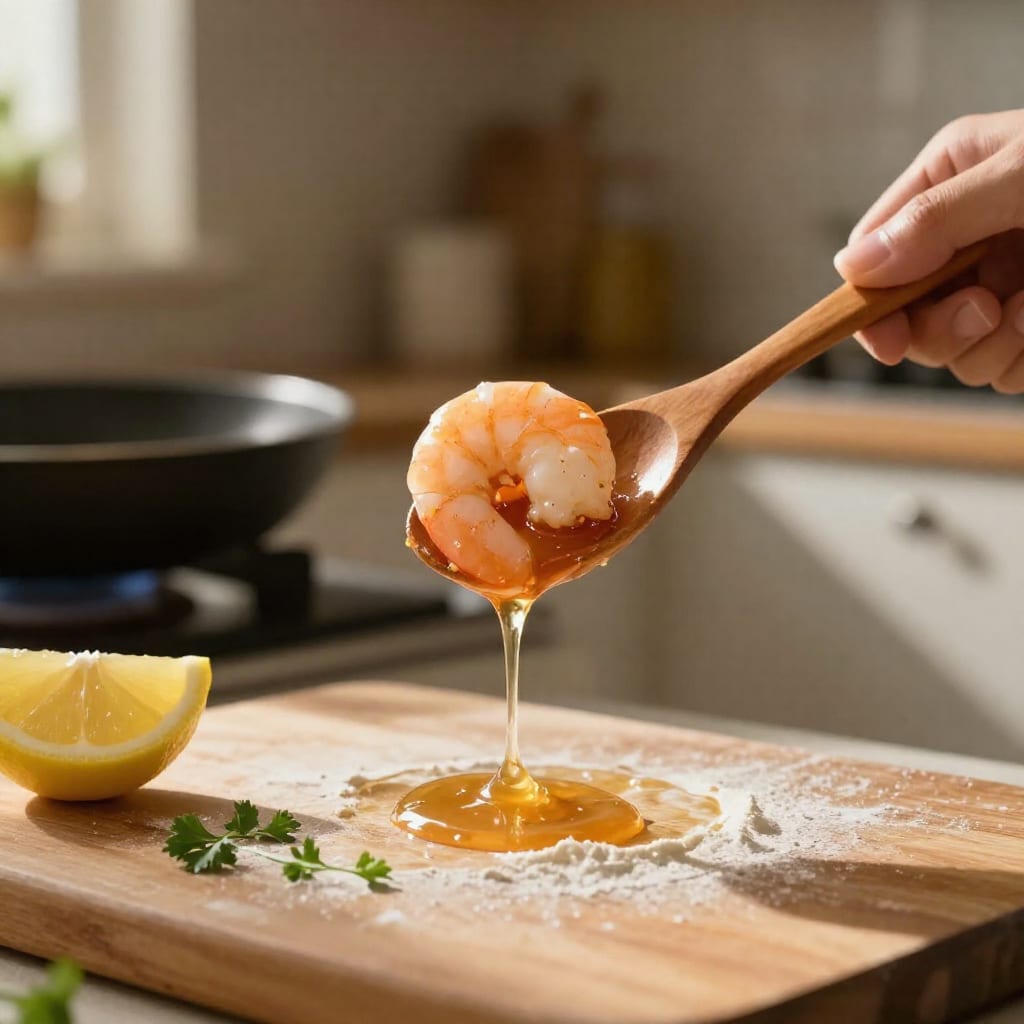
This is the tip that made my dinner guests ask what I’d done differently. It sounds like a departure from tradition, but it’s really just a quiet amplifier. I stir half a teaspoon of anchovy paste—or a teaspoon of white miso paste—into the garlic and oil right before adding the wine. It dissolves completely and doesn’t scream “fish” or “soy”; it just deepens the savory backbone of the sauce, making it taste rounder and more complex. The first time I tried it, I was worried it would overpower the shrimp. Instead, it made the garlic and butter taste more like themselves. This is a judgment call: if you’re a purist, you can skip it, but I’ve found it’s the single easiest way to make a Tuesday-night scampi taste like a Saturday-night one.
Tip #5: Finish With Fresh Lemon Zest and Herbs—Not Just Juice
Lemon juice is essential, but it’s a blunt instrument. Too much and the sauce goes sharp and one-note; too little and the dish feels heavy. I now use the zest of a whole lemon, rubbed between my fingers to release the oils, and scatter it over the finished dish along with a handful of chopped flat-leaf parsley and a few torn basil leaves if I have them. The zest carries the lemon’s floral, aromatic side without the watery acidity that can break an emulsion. I still squeeze a little juice over the top at the very end, but the zest is what makes the dish smell as good as it tastes. This small shift turned my scampi from a heavy garlic bomb into something I’d happily eat on a hot summer night.
The Step-by-Step Method: How to Make Shrimp Scampi From Scratch
Now that you know the why, here’s the how woven into a single, fluid process. I make this at least once a month, and the steps below are the result of all those repetitions, tightening the timing and sequence until it feels like a dance instead of a scramble.
1. Prep everything before you turn on the stove. This dish moves fast. Thaw and thoroughly dry 1 pound of 21/25 count shrimp. Mince 4 large garlic cloves into thin slices (not tiny bits). Zest and juice 1 lemon, keeping them separate. Chop a generous handful of flat-leaf parsley. Measure out ⅓ cup dry white wine and have 4 tablespoons of cold unsalted butter, cut into pieces, ready.
2. Cook the pasta. Bring a large pot of salted water to a boil and cook 8 ounces of linguine until just shy of al dente. Reserve 1 cup of the starchy pasta water before draining. That starchy water is your insurance policy—it’ll help the sauce cling and can thin it out if needed.
3. Sear the shrimp. Heat a large skillet over medium-high heat. Add 1 tablespoon olive oil and 1 tablespoon butter. Once the butter stops foaming, lay the shrimp in a single layer—no crowding, or they’ll steam. Sear 75 seconds on the first side, flip, and cook 45 seconds on the second. They should be pink with golden edges and just barely opaque in the center. Transfer them to a plate with a slotted spoon.
4. Build the sauce. Lower the heat to medium-low. Add another tablespoon of butter and the sliced garlic. Stir for 30 seconds until fragrant, then stir in ½ teaspoon anchovy paste or 1 teaspoon white miso if using. Pour in the wine and let it bubble and reduce by half, about 2 minutes. This is when your kitchen starts smelling like a restaurant.
5. Emulsify. Remove the pan from the heat. Add the remaining cold butter, a tablespoon at a time, swirling the pan vigorously until each piece melts into the sauce. The sauce will turn glossy and slightly thickened. If it looks too tight, splash in a little pasta water.
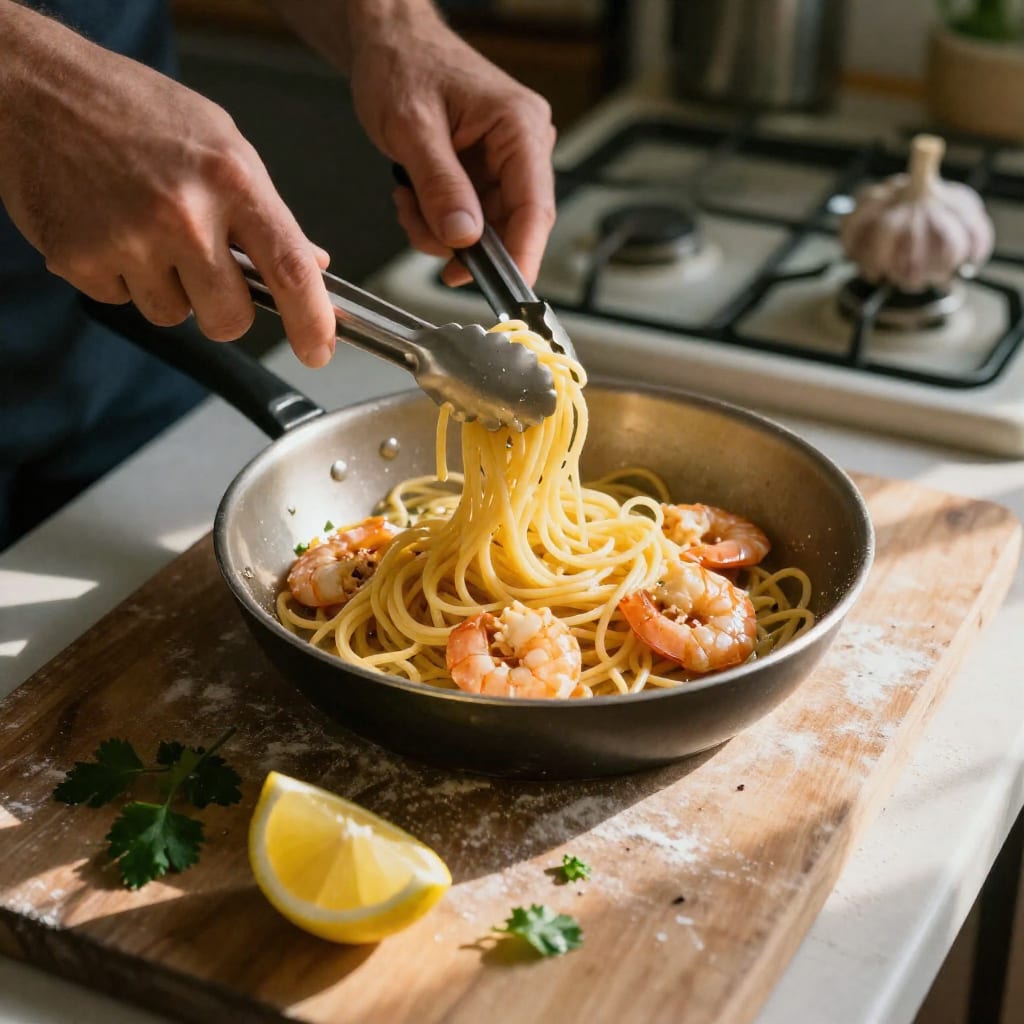
6. Bring it together. Toss the drained pasta into the skillet with the sauce. Add the shrimp and any accumulated juices. Use tongs to toss everything together, adding small splashes of pasta water until the sauce coats each strand. Scatter the lemon zest, a squeeze of juice, and the parsley over the top. Toss once more and serve immediately.
Common Mistakes to Avoid (Even Experienced Cooks Get These Wrong)
I’ve made every mistake on this list, often more than once. Recognizing them saved my scampi.
- Wet shrimp. If you don’t dry them, you’re steaming, not searing. The sauce will be watery and the shrimp will lack that sweet, caramelized edge.
- Burned garlic. Sliced garlic over medium-low heat gives you a wide window. Minced garlic over high heat turns bitter in seconds. I learned this when I once turned my entire pan acrid and had to start over.
- Boiling the butter. Adding butter to a screaming-hot pan and letting it foam and brown before the wine goes in can break the sauce later. Keep the heat moderate and add the wine early to control the temperature.
- Skipping the pasta water. That starchy, salty liquid is the bridge between your sauce and your pasta. Without it, the sauce just slides off. With it, you get a restaurant-quality cling.
- Overcrowding the pan. Cook the shrimp in batches if needed. A crowded pan drops the temperature and releases too much liquid. You want a sizzle, not a simmer.
What to Serve With Shrimp Scampi (Beyond Plain Pasta)
Linguine is the classic, and for good reason—its long, flat strands catch the sauce beautifully. But I’ve served this scampi over creamy polenta on a chilly evening, and the contrast of the sweet, soft cornmeal with the garlicky shrimp was a revelation. Crusty sourdough bread is non-negotiable for sopping up every last drop of sauce. For a lighter take, I’ve spooned the shrimp and sauce directly over a pile of lemony arugula, which wilts just slightly under the heat and turns it into a warm salad. Steamed broccolini or roasted asparagus on the side keep the meal fresh and balanced without competing. If you want to stick with pasta but mix it up, angel hair works well, though it requires a lighter hand with the sauce to avoid clumping.
Frequently Asked Questions
Can I use frozen shrimp for shrimp scampi?
Absolutely. In fact, I recommend it. Thaw them properly in a bowl of cold water for about 15 minutes, then pat them completely dry. Any residual moisture will sabotage your sear and thin out the sauce.
What’s the best pasta shape for shrimp scampi?
Long, thin shapes like linguine and angel hair are traditional because they twirl well and hold the light, buttery sauce. Linguine is my go-to; it has enough heft to stand up to the shrimp without overwhelming them.
Can I make shrimp scampi without wine?
Yes. Replace the wine with an equal amount of chicken or vegetable broth, plus an extra splash of lemon juice at the end to mimic the acidity. The sauce won’t have the same depth, but it’ll still be bright and satisfying.
How do I know when shrimp are perfectly cooked?
They should turn pink and opaque and curl into a loose “C” shape. If they’ve tightened into a tight “O,” they’re overcooked and will be rubbery. Pull them from the pan the moment the center is just barely opaque.
Can I prepare shrimp scampi ahead of time?
It’s a dish that suffers from sitting. The sauce can break and the shrimp can toughen when reheated. The best you can do is have your shrimp cleaned and dried, your garlic sliced, and your herbs chopped a few hours in advance. Cook it right before you eat.
This is the version of shrimp scampi I’ll be making for the rest of 2026—not because it’s radically different, but because it finally delivers on the promise the dish always made. Dry shrimp, sliced garlic, a cold-butter emulsion, a whisper of umami, and a shower of lemon zest. That’s it. Five small shifts that turn a good weeknight dinner into the one you’ll be asked to make again. Bookmark this page before your next dinner party—you’ll want the steps handy when the pan is hot and the wine is already poured.